Navigating the 2026 FinCEN Reform: Agentic Compliance and Data Sovereignty for Credit Unions
A Strategic Guide for Chief Risk Officers and CISOs
Executive Summary
In April 2026, the U.S. Department of the Treasury’s Financial Crimes Enforcement Network (FinCEN) issued a fundamentally transformative proposed rule regarding Bank Secrecy Act (BSA) compliance. The mandate represents a paradigm shift for financial institutions: the era of measuring success by the volume of administrative paperwork is over. The new standard is Effectiveness.
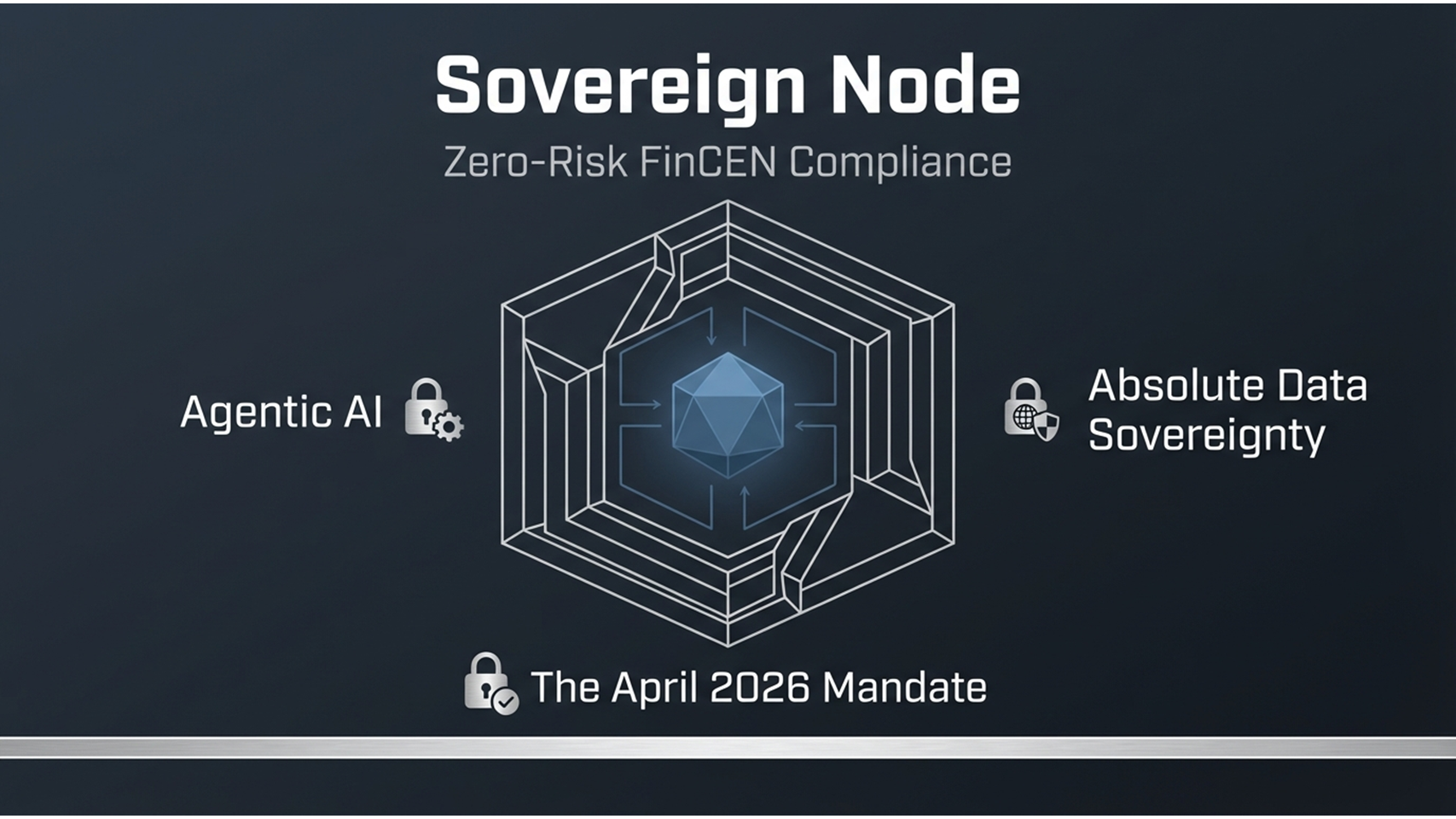
For Credit Unions, this shift presents both an opportunity and a significant operational challenge. While institutions are now empowered to refocus resources on high-priority illicit finance risks, they must also defend their risk-based program designs against subjective examiner judgments.
The Cloud Trap: The Danger of "Wrapper" AI
To meet the demand for automated compliance narratives, many vendors have rushed to market with "AI Compliance" tools. However, the vast majority of these tools are simply thin wrappers built around public Large Language Models (LLMs) like ChatGPT or Anthropic.
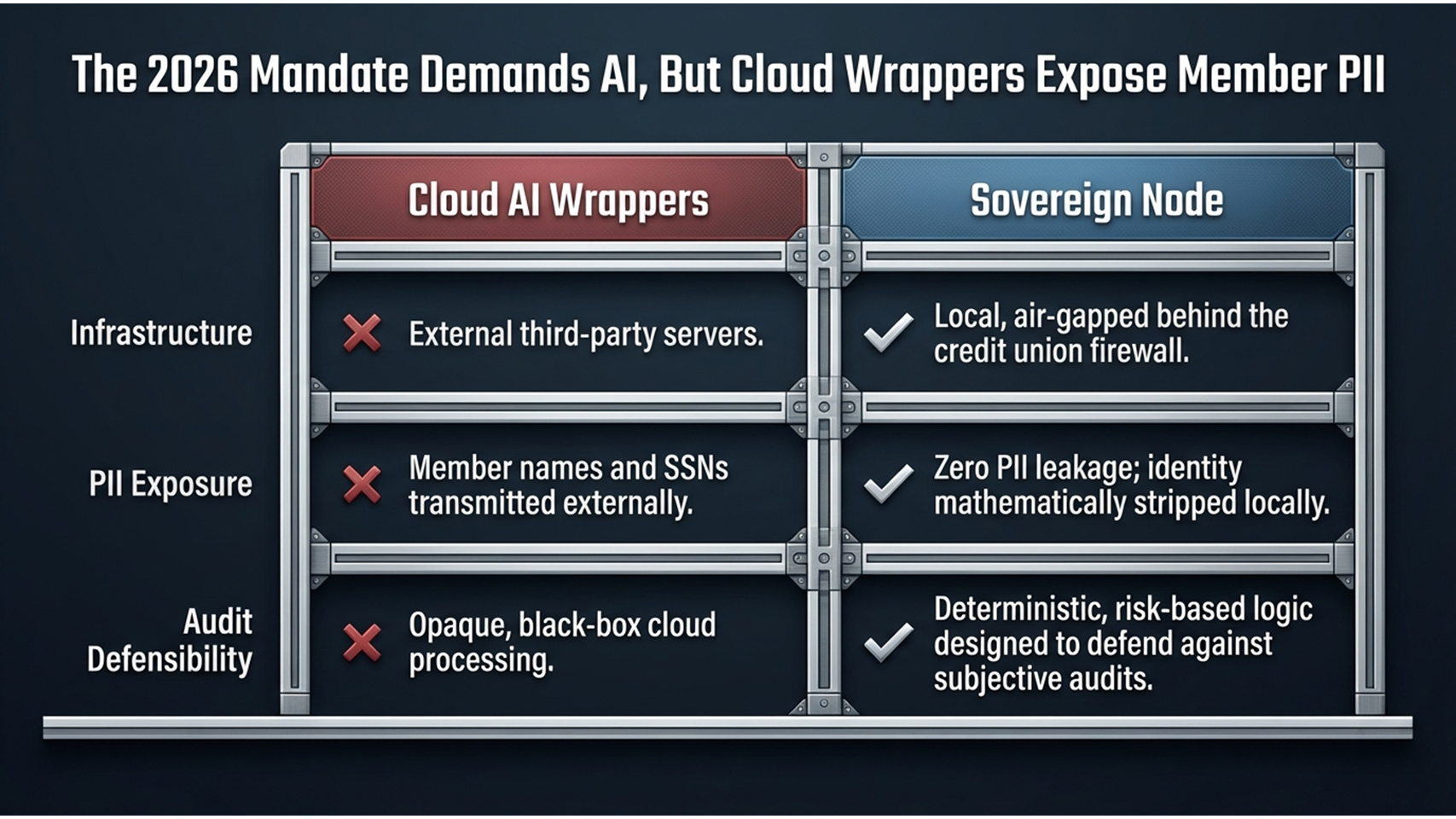
For a Credit Union, utilizing these cloud-based tools is a critical vulnerability. Generating a SAR narrative requires feeding the AI sensitive transaction histories, behavioral profiles, and Personally Identifiable Information (PII). Transmitting this unencrypted payload to external, third-party cloud servers violates strict Gramm-Leach-Bliley Act (GLBA) safeguarding requirements and NCUA expectations.
The Sovereign Architecture: Zero-Trust Local Tokenization
The solution to the cloud trap is Agentic Edge Computing, the foundational architecture of the Sovereign Node. Instead of sending member data to the cloud, the Sovereign Node brings the reasoning engine directly into the Credit Union's secure, existing IT perimeter.
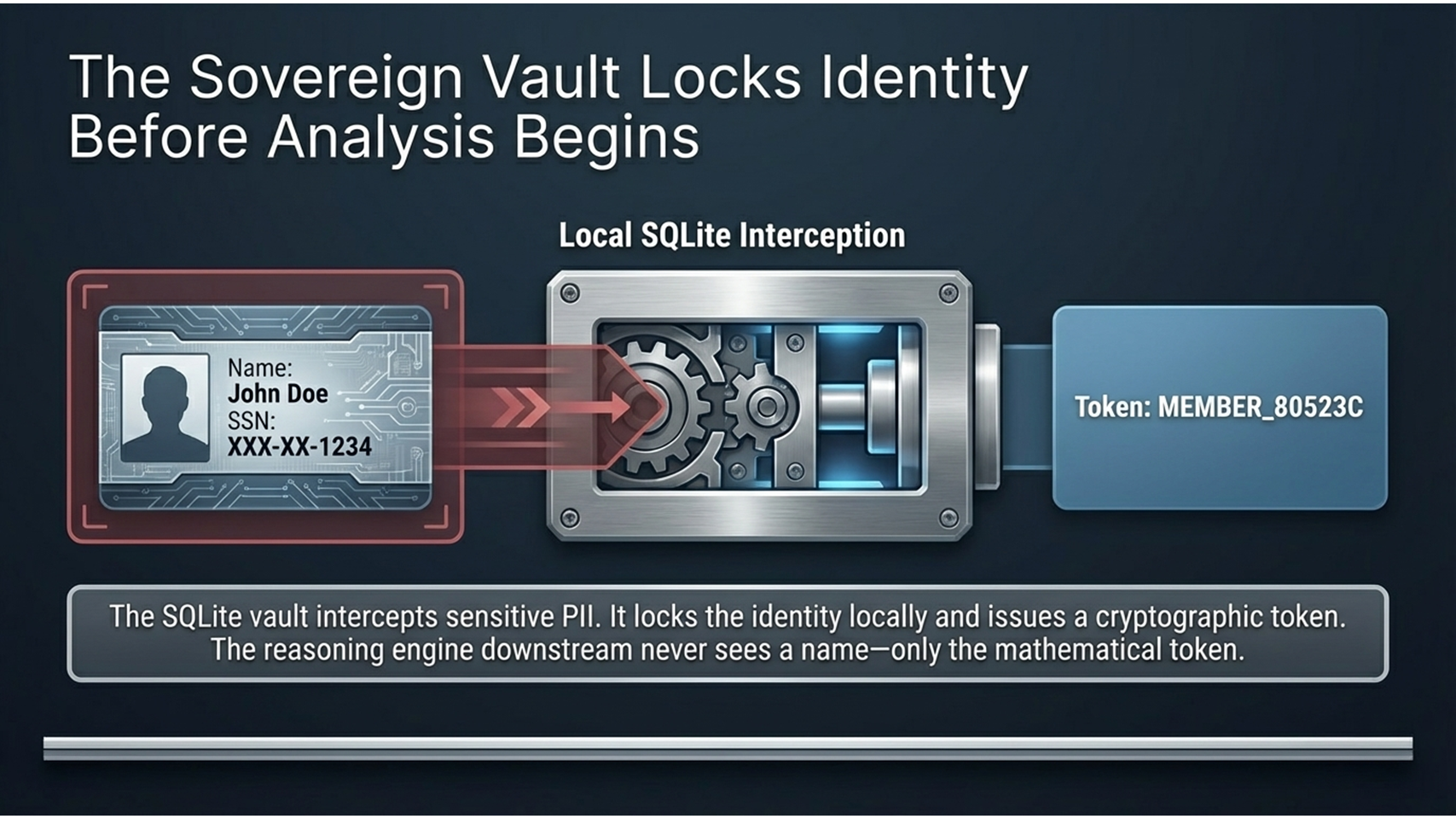
How it works:
- Interception & Tokenization: Before any data is processed by the agentic reasoning engine, all member identifiers (Names, SSNs, Account Numbers) are intercepted locally.
- Cryptographic Replacement: The system utilizes robust encryption to replace real data with irreversible cryptographic tokens.
- Air-Gapped Processing: The AI processes the behavioral patterns and drafts the SAR narrative using only the anonymized tokens.
Defending the Risk-Based Program
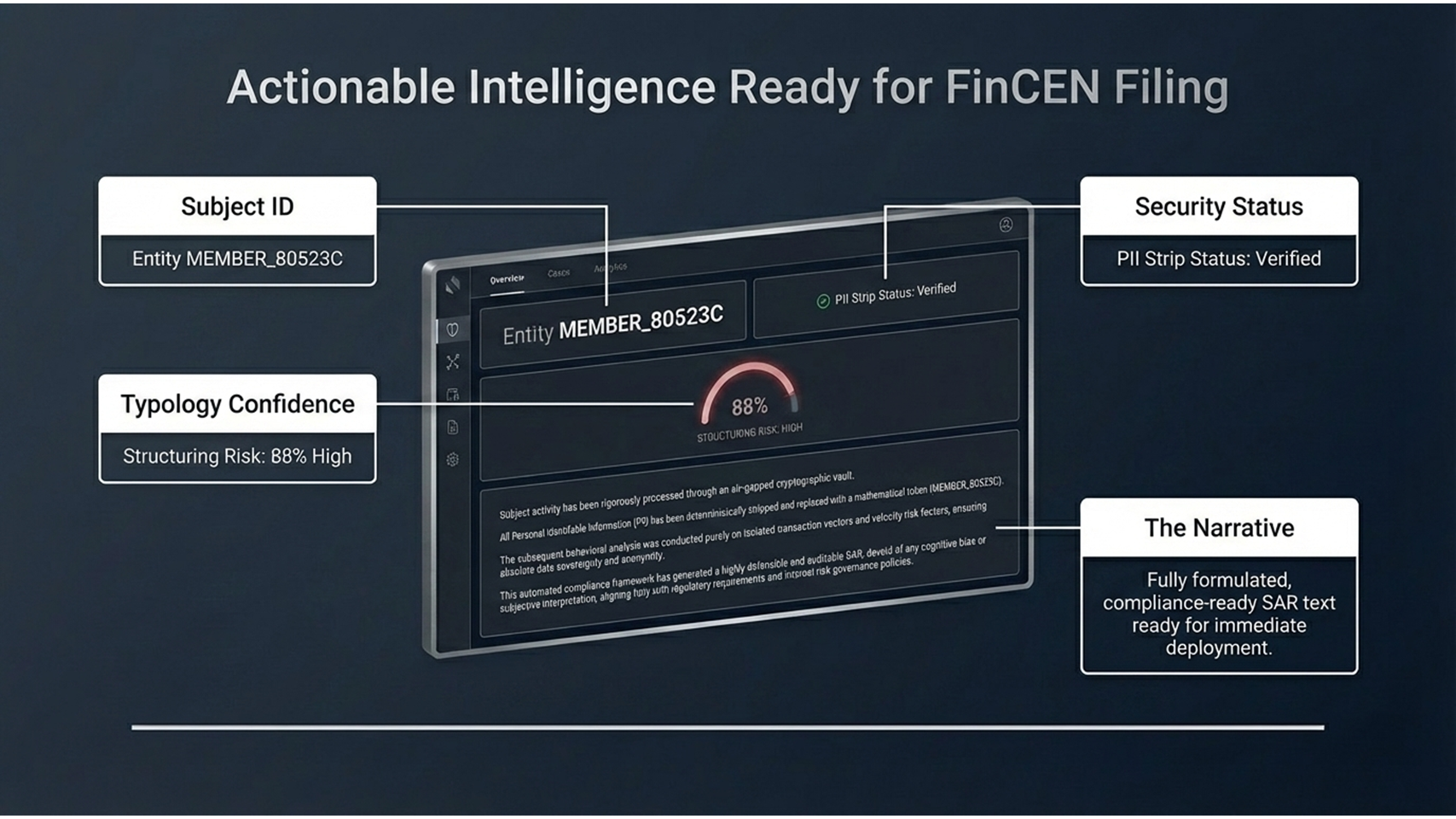
By deploying a Sovereign Node, a Credit Union transforms its BSA/AML department from a data-entry cost center into a highly effective risk management hub. When examiners arrive, the BSA Officer is no longer reliant on human memory or loosely documented rationales to defend their program. They are armed with an unalterable, automated audit trail for every single flagged behavior. This provides the exact documentation required by the 2026 FinCEN reform to prove consistency, effectiveness, and reasonable design—effectively removing the examiner's ability to inject subjective judgment into the audit.
Conclusion
The April 2026 FinCEN reform is the most significant opportunity Credit Unions have had in decades to reduce administrative overhead. However, achieving that efficiency cannot come at the cost of member trust or data security. By adopting localized, agentic compliance systems, Credit Unions can safely automate the burden of paperwork, strictly enforce their risk-based programs, and ensure their members' data remains exactly where it belongs: behind the firewall.